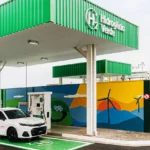
The energy transition is, today, a global geopolitical and economic imperative. With climate collapse ever closer, countries are seeking to replace fossil fuels with clean alternatives, and green hydrogen is emerging as a protagonist. In this scenario, Brazil stands out as an emerging power, not only for its predominantly renewable energy matrix, but also for its unique potential for hydrogen production from solar and wind sources, particularly in states such as Bahia, Ceará, and Piauí.
According to the International Energy Agency, the demand for green hydrogen could multiply sixfold by 2050, with global markets exceeding US$1 trillion. Given this, consolidating Brazil as a strategic hub for clean energy is not only possible, it's urgent. And this leadership requires decisions now, involving regulation, investment, and international coordination.
The Technical and Economic Potential of Brazil
Brazil has one of the cleanest electricity matrices in the world, with 87% of electricity generated from renewable sources in 2023, according to the National Energy Balance. This factor significantly reduces the cost of producing green hydrogen through electrolysis, giving the country an advantage over markets that still depend on fossil fuels, such as Europe and Asia.
Bahia stands out as a strategic hub in this transition. It leads the country in solar and wind energy generation, has a consolidated port infrastructure (such as the ports of Aratu, Salvador, and Ilhéus), and is geographically close to the European market, which reduces export logistics costs.
Institutional Environment and FDI Opportunities
Brazil's consolidation as a green hydrogen hub depends on legal certainty, adequate incentives, and diplomatic coordination with consumer markets, especially the European Union, Japan, and South Korea.
BRING operates precisely in this gap: connecting Brazilian businesses to international funds, multilateral organizations, and European technology hubs, with its own methodology for internationalization and attracting foreign direct investment. According to data from the Ministry of Foreign Affairs, there are already talks between Brazil and Germany for bilateral cooperation in green hydrogen, with projected investments exceeding €2 billion in the coming years.
States and municipalities that structure clear proposals with technical feasibility and a robust governance plan will have an advantage in attracting these resources. The role of facilitators like BRING is essential in transforming potential into bankable projects.
The Need for a Multilevel National Strategy
Despite its potential and international attention, Brazil still lacks a structured federal strategy for green hydrogen. Isolated initiatives, such as regional hubs and pilot projects, are important but not sufficient.
The federal government needs to create specific regulatory frameworks, encourage the creation of energy export zones, and foster connections between research institutes, universities, and the productive sector. COP30, which took place in Belém do Pará, is a diplomatic opportunity for Brazil to present to the world its commitment to a green economy and its leading role in hydrogen.
In this context, coordinated action between public and private entities and international agents becomes crucial. BRING proposes precisely this multi-level collaboration, with strategic planning, international missions, market intelligence, and legal support for structuring sustainable projects.
Green hydrogen represents more than an energy revolution; it's a historic opportunity to reposition Brazil at the center of the new global economy. More than just exporting energy, the country can export solutions, technologies, and a model for the transition.
BRING believes that Brazil's energy future lies not only in its natural reserves, but also in its ability to organize, communicate, and internationalize its assets. The world is watching Brazil. It's time to open the doors, with strategy, security, and ambition.
Business without borders begins with vision, strategy, and coordinated action.